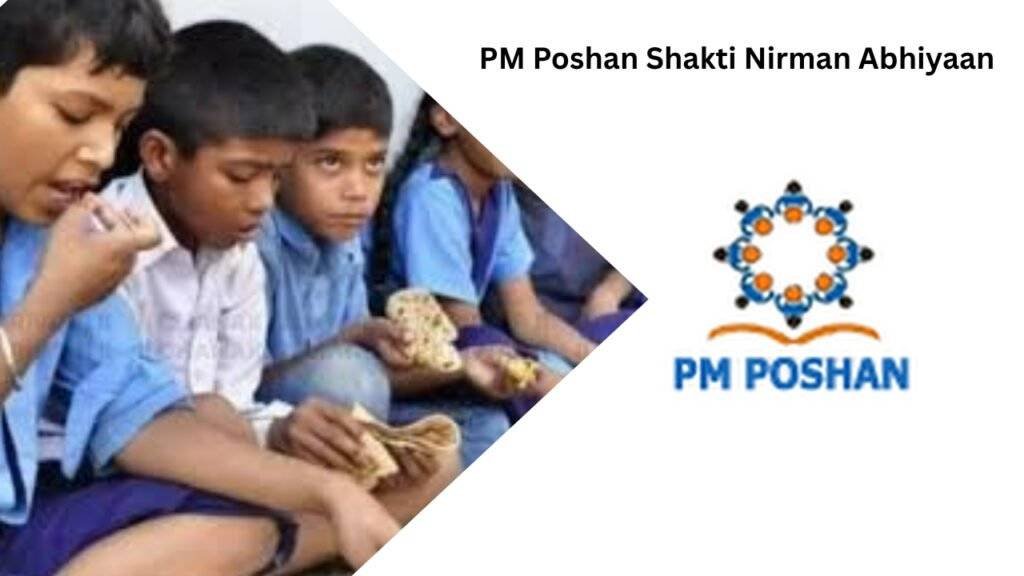
The PM Poshan Shakti Nirman Abhiyaan is one of India’s largest and most effective child nutrition programs to improve health and educational outcomes for children. This program, which started as a reformed version of the Mid-Day Meal Scheme, provides nutritious hot cooked meals on a daily basis to millions of children attending school. This scheme is a bridge between health and education in a country where malnutrition and school dropouts menace the nation. The government must also be doing it because hunger in the classrooms not only drives absenteeism, but ensures children can concentrate and perform well. PM Poshan has transformed over time into a holistic integrated framework for nutrition, community action and educational development.
PM Poshan Shakti Nirman Abhiyaan
PM Poshan Shakti Nirman Abhiyaan is a scheme funded by the central government which caters to free meals for school children of classes I to VIII in all government and government-aided schools across India. It encompasses primary (Classes 1–5) to upper primary levels (Classes 6–8) providing them with necessary nutrients needed for proper growth and development.
Aims: The scheme involves the provision of a balanced multi-component meal.* As per the latest guidelines, meals should conform to prescribed specifications covering calories, proteins and micronutrients. These are meals that are cooked in school or central kitchen and served during the school hours. The idea is simple, but profound: children who are not hungry focus better on their studies and are able to participate more fully in classrooms.
Besides supplementing nutrition, the scheme also has an integral part in building social cohesion. Pupils from different socio-economic backgrounds sit down together at the lunch table, and share meals, dismantling social barriers and encouraging inclusivity from a young age.
Key Objectives of the Scheme
PM Poshan Shakti Nirman Abhiyaan is a program that has multiple goals, all to aid in the development of children and societies.
- Global Health and Nutrition: The most important correlation is that it targets towards greater nutrition access for children, which leads to lower prevalence of malnutrition whilst affecting a numerous health outcome.
- Objectives of the Scheme: Increasing Enrollment and Attendance: The scheme incentivizes children to enrol into schools, with regular attendance.
- Reducing Dropout Rates: This contribution saves several children from economically weaker sections continue their education, thereby reducing the dropout rates.
- Caste-less Communion: A promotion of social equality: The practice of sharing a meal promotes shared humanity, and reduces socio-economic divides or discrimination based on caste, religion, or class.
- Backlog of Spicy information: Good food good is important due to its Physical & mental impact on development Resource International PhD.
Major Features of PM Poshan Shakti Nirman Abhiyaan
Nutritional Standards and Meal Quality
- They contain meals tailored by age to provide recommended calorie and protein requirements.
- For primary students, they are given calorie-sufficient school meals, and for upper primary students, the nutritional density of food is very slightly higher.
- Vegetables, pulses, grains and sometimes fruits also form an important part of the diet.
- Include fortified foods to mitigate micronutrient deficiencies.
Wide Coverage and Inclusivity
- The scheme will include children from government schools, government-aided schools and special training centres.
- In the summer vacation in some states, it applies even to children in areas affected by drought.
- However, millions of children in rural and urban areas are reached by the Programme every day.
Community Participation and Employment
- On the ground, local self-help groups, (women-run) collectives and NGOs are making the food.
- The scheme create much-needed jobs for cooks and helpers, with a special focus on women from underprivileged communities.
- Community monitoring involves making local level data visible and accountable.
Infrastructure and Implementation
- They find kitchen sheds plus Cooking Equipment a chemist traveled colleges!
- Urban-centric centralized kitchens are conducted for preparing and distributing food in time.
- Periodic inspections will guarantee the hygiene and food safety standards are upheld.
Benefits of PM Poshan Shakti Nirman Abhiyaan
Nutritional Benefits
The most important impact of the scheme is that it has resulted in better nutrition status among children. For many students, particularly those from rural and low income families, these meals are the only proper nutrition they will receive in a day. Through the scheme, childhood development improves and levels of hunger, anemia and other nutrition-related deficiencies decrease.
Educational Benefits
Hunger is simply the biggest barrier to learning. PM Poshan serves meals in schools to ensure children are less distracted with their studies. Students who are stimulated by the scheme often have more engaged classroom participation, improved focus and education results, teachers report. Another key benefit is increased attendance and reduced absenteeism.
Social Benefits
The scheme is very important for social unity. This includes sitting down together, from different backgrounds and eating a meal with one another which creates equity and respect. Such contributions reduce social discrimination and promote a cohesive society.
Economic Benefits
Another characteristic of PM Poshan is its economic impact. Thousands of cooks and helpers employed across the country are housed under it. Further, our purchases of food grains and other ingredients support local farmers and also strengthen the rural economy.
Implementation and Monitoring Mechanism
Multi-Level Governance
- The scheme is conducted out of a partnership between the central and state governments.
- While the funding comes from the central government, execution and monitoring is done by the states.
- Daily functions are overseen by local authorities and school management committees.
Use of Technology
- Digital screening systems monitor meal distribution and attendance.
- Mobile apps and online portals assist reporting problems and contributing transparency.
- Being trained on near real-time data, it allows better and quicker decision making.
Quality Control Measures
- You are also regularly checked to maintain the standards of food quality and cleanliness.
- Cooks and staff get training on safety standards.
- There are strategies that enable parents and communities to report expectations to the feedback channels.
Also Read: Jal Jeevan Mission | PM Matsya Sampada Yojana | Agnipath Scheme 2026
Challenges and Areas of Improvement
It need to continuously work on various challenges PM Poshan Shakti Nirman Abhiyaan has been successful.
The main trouble comprises of retaining food quality constant all through every region. The reality is that even the same school may have imperfect infrastructure, creating difficulties in preparing and storing their meals when the school has good facilities and its neighbour does not. The fund also needs to be allocated on-time and the supply chain needs to be managed.
Health risks due to poor hygiene and safety standards. Also the awareness among the communities and their engagement can provide an added strength to the scheme.
Health impediments are obviously warranted, and the administration is working to tackle them with improved monitoring, increased budgeting, as well as introducing more centralized solutions such as better and fortified food distribution.
Conclusion
It is an excellent example of a government initiative that is designed in such a way that it brings change to the society, PM Poshan Shakti Nirman Abhiyaan. Its focus on vital areas, nutrition and education, lays the groundwork for millions of children to create a better future. It helps make sure that children have enough food, but also gives them the ability to learn, develop and succeed in life.
The scheme, which has seen continuous improvements and better infrastructure over the years with active participation of local communities too, can eliminate classroom hunger in India and is also a key driver in reducing malnutrition on its own. Initiatives like PM Poshan will be foundational to achieving a healthier, better-educated and equitable society as the country progresses.
FAQs about PM Poshan Shakti Nirman Abhiyaan
Q1. What is PM Poshan Shakti Nirman Abhiyaan?
It is a government scheme that provides free nutritious meals to school children in India.
Q2. Which students are covered under this scheme?
Students from Classes 1 to 8 in government and government-aided schools are eligible.
Q3. What are the main benefits of the scheme?
It improves nutrition, increases school attendance, and promotes social equality.
Q4. How is the scheme funded?
It is jointly funded by the central and state governments.
Q5. Is the scheme implemented across all states?
Yes, it is implemented nationwide with support from state governments.
Also Read: One Nation One Subscription Scheme | Amrit Bharat Station Scheme